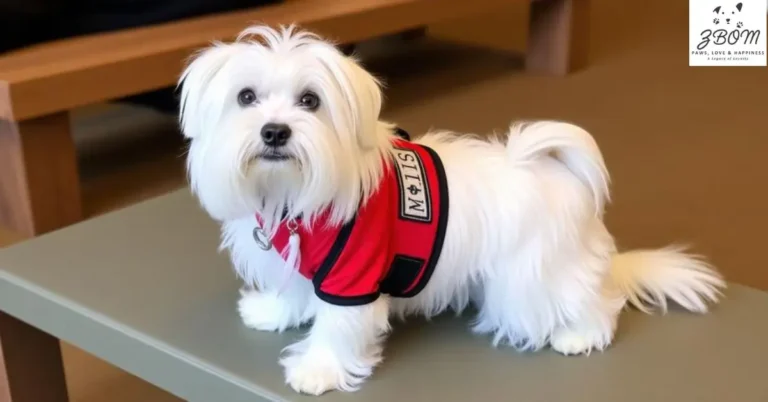
Teacup Maltese
The teacup Maltese has captured hearts around the world with its impossibly small size and cloud-like white coat. These tiny companions, weighing just three to four pounds when fully grown, represent one of the most miniature variations of the already petite Maltese breed. With their button-black eyes peering out from beneath silky fur and a personality that seems far too large for their delicate frames, teacup Maltese dogs have become increasingly popular among those seeking a portable, apartment-friendly pet.
Despite their adorable appearance and growing popularity, these pint-sized pups come with unique considerations that potential owners should understand. The breeding practices used to achieve such diminutive sizes often raise health concerns, and caring for a dog this small requires special attention to their fragile bone structure and specific nutritional needs. Their tiny stature makes them vulnerable to injuries that larger dogs would barely notice, from jumping off furniture to cold temperatures.
Yet for those willing to provide the extra care these miniature companions require, teacup Maltese dogs offer unwavering loyalty and affection. Yorkie Bebe, They thrive on human companionship, making them ideal for individuals or families who can dedicate time to their constant need for attention and gentle handling. Understanding both the joys and responsibilities that come with owning one of these pocket-sized pets is essential before welcoming a teacup Maltese into your home.
Short Answer About Teacup Maltese
The teacup Maltese is an extremely small version of the traditional Maltese breed, typically weighing between 3-4 pounds at full maturity. These tiny dogs are bred specifically for their miniature size, featuring the same silky white coat and affectionate personality as standard Maltese but in a much smaller package.
While undeniably adorable, teacup Maltese are more fragile than their regular-sized counterparts and often face health challenges including hypoglycemia, bone fractures, respiratory problems, and shorter lifespans. They require constant supervision, gentle handling, and specialized care due to their delicate size.
Despite these concerns, they make devoted companions for owners who can provide the extra attention and care these pocket-sized dogs need. Cherry Yorkies, It’s important to note that “teacup” is not an officially recognized size classification by major kennel clubs, and many responsible breeders discourage breeding dogs to such extreme miniature sizes due to welfare concerns.
Where Did Teacup Maltese Dogs Come From?
The teacup Maltese represents the tiniest variation of the ancient Maltese breed, a toy dog with origins tracing back thousands of years to Malta, a small island in the Mediterranean Sea situated just south of Sicily. This companion dog boasts one of the most fascinating stories in breed history, with references dating back to classical antiquity.
The Greek philosopher Aristotle himself admired the ancestors of this breed, describing them as “perfectly proportioned” despite their diminutive size. This early recognition cemented the Maltese as more than just a pet—it was a symbol of elegance and refinement that would captivate civilizations for millennia.
During the height of the Roman Empire, these Mediterranean dogs became extraordinarily fashionable among Roman nobles and the aristocracy. Teacup Yorkie for Sale, Roman dogs of this lineage were coveted pampered lapdogs, treated as precious symbols of wealth and social status. Wealthy Romans adorned their Maltese with jewelry and carried them in the sleeves of their togas, establishing the breed’s reputation as the ultimate lapdog.
When Rome eventually fell, the ancient breed faced near breed extinction across Europe. However, Chinese breeders played a crucial role in breed preservation by crossing the Maltese with their own native Chinese breeds. These careful breeding programs maintained the essential characteristics while ensuring the survival of the lineage. Eventually, the Chinese exported the refined dogs back into Europe, where the breed experienced a renaissance.
Today, according to the AKC (American Kennel Club) kennel club ranking system, the Maltese remains among the popular dog breeds, consistently appearing in the top 40 most beloved breeds. The teacup Maltese, while not officially recognized as a separate classification, has gained particular attention among those seeking an even smaller version of this historically significant companion dog.
Teacup Maltipoo for Sale Los Angeles, From the palaces of Roman nobles to modern homes worldwide, the journey of the Maltese breed—and its teacup variation—showcases remarkable resilience and enduring appeal across cultures and centuries.
The Distinctive Appearance of the Teacup Maltese
Physical Characteristics and Body Structure
The teacup Maltese is an exceptionally tiny dog and little dog that captures attention with its adorable physical characteristics and unmistakable Maltese appearance. This miniature companion features a distinctive round head that gives it an eternally puppy-like expression, paired with a charming bouncy gait that showcases its playful personality despite its diminutive size.
Color Variations and Markings
When it comes to dog coloring, the teacup Maltese is most commonly pure white in color, displaying a stunning white color that resembles freshly fallen snow. This white fur is the breed’s signature trademark and most recognized feature. However, not all teacup Maltese maintain absolute white coloring throughout their bodies.
Some dogs exhibit beautiful light tan or lemon coloration, particularly noticeable on their ears. Teacup Maltipoo for Sale Toronto, These tan markings and lemon markings add subtle character to the dog appearance without detracting from the overall elegance. The ear coloration typically appears as soft cream or butter-colored accents that create a gentle contrast against the predominantly white coat.
Coat Texture and Natural Appearance
The natural coat of the teacup Maltese is truly remarkable in its quality and texture. Their coat texture is incredibly silky coat, often compared to human hair rather than traditional dog fur. This silky hair flows in a straight coat pattern, creating the long coat that the breed is famous for. The straight hair cascades elegantly when allowed to grow to its full coat length, sometimes reaching the ground and requiring careful maintenance.
Grooming Styles and Owner Preferences
Many owner preference varies when it comes to grooming styles and coat grooming approaches. While the natural coat showcases the breed’s beauty, maintaining such a long coat requires significant time and effort. As a result, numerous owners opt for grooming preference that involves a clipped coat or short coat style. The decision to clip short the Maltese’s fur is purely practical—a clipped coat reduces matting, makes daily maintenance easier, and keeps the tiny dog comfortable, especially in warmer climates.
Whether sporting a flowing natural coat or a practical short coat, the teacup Maltese remains one of the most visually striking and recognizable toy breeds, with coat colors and physical characteristics that have charmed dog lovers for centuries.
Understanding Teacup Maltese Size Standards

Official Size Requirements and Classification
The teacup Maltese stands apart from the standard Maltese primarily due to its exceptionally diminutive size and petite dog proportions. Maltipoo for Sale Seattle, To be officially considered teacup-sized, these miniature size companions must meet specific size criteria that distinguish them from their larger counterparts.
According to teacup classification guidelines, a dog must measure less than 7 inches tall at the shoulder and weigh under 7 pounds to qualify for this category. These strict height requirements and weight requirements ensure that only the smallest dogs receive the teacup designation.
Typical Size Range for Teacup Maltese
While the maximum height is set at 7 inches and the maximum weight at 7 pounds, most teacup Maltese fall into an even smaller size range. The typical breed size for these compact size dogs places them between 4 inches tall and 6 inches tall when fully grown.
In terms of dog weight, the majority of teacup Maltese are incredibly lightweight dog companions, weighing anywhere from 3 pounds to 5 pounds at maturity. These tiny measurements make them one of the smallest dog breeds available, with some individuals barely reaching the minimum size within this already restricted range.
Small Dog Measurements and Breed Standards
The dog height and small dog measurements of the teacup Maltese place them in a unique category within the canine world. Unlike breed standards established by major kennel clubs for regular Maltese, the official size for teacup varieties isn’t universally recognized.
However, breeders and enthusiasts have adopted these size standards to differentiate truly teacup-sized dogs from simply small Maltese. The emphasis on both height and weight ensures that teacup classification isn’t based solely on one measurement but considers the overall compact size and proportions of the animal.
These strict size criteria mean that a teacup Maltese truly lives up to its name—small enough to fit comfortably in a teacup, at least theoretically. Maltipoo Montreal, Their remarkable diminutive size and lightweight dog characteristics make them appear almost toy-like, yet they remain living, breathing companions with all the personality and needs of much larger breeds packed into an extraordinarily petite dog frame.
Understanding the Teacup Maltese Coat Type
Single-Layered Coat Structure
The teacup Maltese possesses a distinctive single-layered coat that sets it apart from many other dog breeds. Unlike double-coated breeds that have both an undercoat and topcoat, the single layer coat structure of the Maltese consists of only one layer of hair. This unique coat type contributes significantly to the breed’s elegant appearance and offers practical benefits for both the dog and its owner. The coat characteristics of the teacup Maltese are remarkably similar to human hair rather than typical dog fur, which influences everything from its texture to its hypoallergenic properties.
Texture and Length Features
The coat texture of the teacup Maltese is exceptionally silky coat, creating a luxurious feel that’s soft to the touch. This smooth coat flows beautifully when properly maintained, giving the dog an aristocratic appearance that has been prized for centuries. The hair type is naturally straight coat, falling in elegant lines without waves or curls.
When allowed to grow to its full potential, the long coat becomes truly impressive—transforming into a floor-length coat that can actually touch the floor as the dog walks. Maltipoo Vancouver, This flowing coat creates a stunning visual effect, making the tiny teacup Maltese appear to glide gracefully across surfaces. The extraordinary coat length requires dedicated grooming but showcases the breed’s natural beauty in its most dramatic form.
Hypoallergenic Benefits for Allergy Sufferers
One of the most appealing aspects of the teacup Maltese coat type is its reputation as one of the hypoallergenic dogs available to potential pet owners. The single layer coat structure combined with the hair type makes this breed significantly less irritable to people with allergies compared to many other dogs. For allergy sufferers seeking canine companionship, the teacup Maltese offers genuine allergy relief without sacrificing the joy of dog ownership.
The breed is considered allergy-friendly primarily because it is non-shedding, meaning it doesn’t release the dander and hair into the environment that typically triggers allergic reactions. While no dog is 100% hypoallergenic, the teacup Maltese produces low allergen levels that make it suitable for many individuals with sensitive skin or respiratory allergies.
Black Teacup Maltipoo, People with allergies often find they can tolerate the teacup Maltese when they cannot live comfortably with other breeds, making these dogs an excellent choice for households where allergies are a concern but the desire for a pet remains strong.
The Delightful Temperament of the Teacup Maltese

A Loving and Affectionate Companion
The teacup Maltese is truly a joy to own, offering companionship that enriches the lives of their owners in countless ways. These loving dogs are exceptionally affectionate, forming deep bonds with their families and thriving on human interaction. Their friendly nature makes them wonderful additions to various household settings, as they genuinely enjoy meeting new people and making friends.
The sweet-natured disposition of the teacup Maltese is evident from the moment you meet one—they seem to radiate warmth and kindness, making them irresistible to anyone seeking a devoted companion.With a kind disposition that defines their personality, these dogs consistently rank among the gentlest small breeds available.
The gentle breed reputation is well-deserved, as teacup Maltese rarely display aggression and instead prefer gentle interactions. Teacup Maltipoo, Their gentle nature makes them particularly suitable for seniors, individuals living alone, or anyone seeking a calm yet engaging lap dog personality. The companion dog temperament they possess has been refined over centuries of selective breeding, resulting in dogs whose primary purpose and greatest joy is being near their beloved humans.
Playful Energy and Vivacious Spirit
Don’t let their gentle nature fool you—the teacup Maltese also exhibits a wonderfully playful side that brings endless entertainment. They are remarkably vivacious for their small size, displaying an energetic enthusiasm for life that’s contagious. This lively temperament means they’re always ready for a game, a short walk, or interactive play sessions with their owners. Their spirited personality shines through during playtime, and despite being among the smallest of small breeds, they approach activities with surprising vigor.
The behavior of a teacup Maltese reflects a perfect balance between calm affection and spirited playfulness. They’re feisty enough to keep life interesting but never overwhelming. This small dog temperament makes them adaptable to various lifestyles—equally content cuddling on the couch or engaging in gentle play.
Brave and Independent Character
Perhaps one of the most surprising aspects of the teacup Maltese personality is their brave nature despite their diminutive small size. German Shepherd Puppies Ohio, These dogs are genuinely courageous, often behaving as though they’re much larger than they actually are. This fearless quality means they won’t shy away from new experiences or situations, approaching the world with confidence that belies their tiny stature. Their bold personality can be quite amusing, as they sometimes attempt to protect their owners or assert themselves in ways that seem disproportionate to their size.
However, this brave temperament comes with a complementary trait—they can be quite stubborn. The teacup Maltese possesses an independent streak and strong-willed character that, while endearing, can present training challenges. They have their own ideas about how things should be done and aren’t always eager to immediately comply with commands.
This independent nature doesn’t stem from disobedience but rather from their intelligent and self-assured personality. Understanding this aspect of their behavior helps owners approach training with patience and consistency, ultimately fostering a well-mannered companion who retains their delightful spark of independence.
The Affectionate Nature of Teacup Maltese

Deep Family Bonds and Devotion
The teacup Maltese truly adore families with an intensity that’s remarkable even among companion dog breeds. German Shepherd Puppies for Sale near me Ohio, These family-oriented dogs form incredibly strong bonds with their household members, displaying devotion that becomes the cornerstone of their personality. The attachment they develop is profound and genuine, making them one of the most people-oriented breeds available. Their loving nature manifests in countless daily interactions, from following family members around the house to expressing visible joy when their loved ones return home.
This family bond isn’t superficial—teacup Maltese invest their entire hearts into their relationships with humans. They’re exceptionally affectionate dogs who seem to thrive on emotional connection and human interaction. Their lovey-dovey temperament means they’re constantly seeking ways to be close to their families, whether through physical touch, eye contact, or simply remaining in the same room. This level of devotion makes them ideal for individuals or families seeking a dog that truly becomes an integral part of the household rather than just a pet.
Attention-Seeking Lap Dog Behavior
One of the most endearing characteristics of the teacup Maltese is their genuine love attention from their owners. These dogs are unapologetically attention-seeking, but in the most charming way possible. They excel as a lap dog, finding their happiest place sitting in lap of their favorite humans. Whether you’re watching television, reading a book, or working at a desk, your teacup Maltese will likely attempt to claim a spot on your lap, seeking both warmth and closeness.
The cuddly nature of these dogs makes cuddle time a daily necessity rather than an occasional treat. German Shepherd Puppies Florida, They actively seek physical affection and genuinely enjoy being petted for extended periods. The act of petting a teacup Maltese isn’t just tolerated—it’s actively requested through nudges, pawing, or simply positioning themselves within easy reach.
This constant desire for human interaction means they’re perfect for people who want a dog that actively participates in their daily life rather than one that remains independent or aloof.
Social Behavior with Strangers and New People
When it comes to social behavior beyond the immediate family, the teacup Maltese displays an interesting and nuanced approach. They are generally friendly with strangers, showing politeness and good manners when meeting new people. Their stranger-friendly disposition means they won’t typically bark aggressively or hide when visitors arrive. Instead, they’re gentle with strangers, approaching interactions with curiosity tempered by a degree of caution.
However, it’s important to understand that while they’re friendly, they may be somewhat reserved with strangers compared to more exuberant breeds. German Shepherd Puppies Texas, When you meet new people, a teacup Maltese will assess the situation calmly rather than rushing forward with unbridled enthusiasm. They’re cautious with new people in a measured way—not fearful or aggressive, but simply more discerning about where they place their affection.
Breed Comparison: Teacup Maltese vs. Golden Retriever
To put their social temperament in perspective, a breed comparison with the golden retriever is instructive. While the golden retriever is famously excited to meet absolutely everyone, treating every stranger as a potential new best friend, the teacup Maltese takes a more reserved approach. A golden retriever might bound toward new people with tail wagging and instant affection, but a teacup Maltese will be polite without being quite so immediately exuberant.
This doesn’t mean the teacup Maltese is unfriendly—far from it. They simply reserve their deepest affection and most excited greetings for their established family members. With their families, they can be just as enthusiastic and loving as any breed, but they maintain a touch more dignity and selectiveness when encountering strangers. This measured approach to new people makes them excellent companions for those who appreciate a dog that’s social yet discerning, friendly yet loyal to their inner circle above all others.
Can Teacup Maltese Live Safely with Children?
Size Considerations and Safety Concerns
The teacup Maltese presents unique considerations when it comes to family compatibility, primarily due to their exceptionally small size. This delicate breed requires careful evaluation before introducing them into households with children. While they can certainly become a cherished family pet, understanding both dog safety and children safety is paramount.
The fragile dog nature of the teacup Maltese means they’re vulnerable to injuries that larger, more robust breeds could easily withstand. Even well-intentioned interactions can pose risks if children don’t understand how to properly handle dogs of this diminutive stature.
Age-Appropriate Recommendations for Families
When considering a teacup Maltese as a family dog, age recommendations play a crucial role in ensuring a successful match. German Shepherd Puppies for sale in West Virginia, We strongly recommend these dogs specifically for families with older children rather than households with toddlers or preschoolers. Older children typically possess the maturity, coordination, and understanding necessary to interact safely with such a small companion. They can learn and consistently practice careful handling techniques that protect the dog from harm.
Conversely, young children, despite their best intentions, often demonstrate awkward handling when interacting with pets. Their developing motor skills, unpredictable movements, and tendency toward enthusiastic rather than gentle interaction create genuine risks. Young children may accidentally hurt a teacup Maltese through actions like dropping the dog, stepping on them, squeezing too tightly during hugs, or engaging in rough play that the dog’s tiny frame simply cannot tolerate.
These incidents don’t stem from malice but from the natural limitations of childhood development and the challenges young children face in understanding their own strength relative to such a tiny animal.
Supervision and Teaching Proper Interaction
Even in families with older children, supervision needed remains an important consideration. German Shepherd Puppies for Sale Kansas City, Responsible children who understand the importance of gentle interaction can form beautiful bonds with teacup Maltese, but establishing ground rules and maintaining awareness prevents accidents.
Teaching proper child interaction techniques—such as sitting down before holding the dog, supporting their body correctly, and recognizing when the dog needs space—creates a foundation for safe and loving relationships.
Mature children capable of following these guidelines discover that the teacup Maltese makes an exceptional companion. They learn valuable lessons about empathy, responsibility, and respecting the needs of smaller, more vulnerable creatures.
Why Teacup Maltese Can Be Great for Appropriate Families
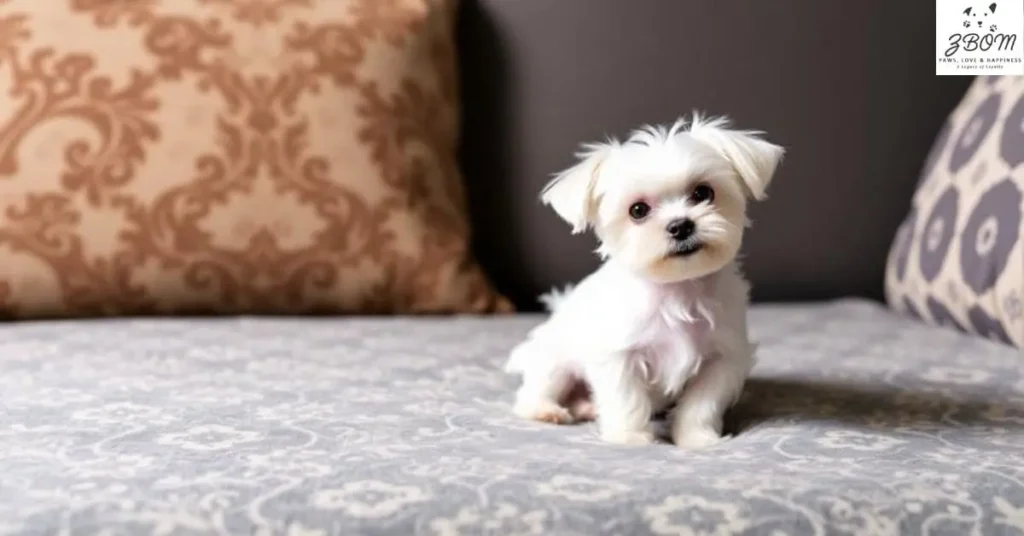
Despite the necessary precautions, the teacup Maltese truly is a great choice for families meeting the age-appropriate criteria. For families with kids who are old enough to understand and practice safe handling, these dogs offer tremendous rewards. The breed temperament of the teacup Maltese makes them naturally suitable for kids in many ways—they’re gentle, affectionate, and playful, creating the perfect combination for family life.
Their gentle nature means they’re patient and kind during interactions, never aggressive or snappy with children who treat them respectfully. German Shepherd Puppies for Sale Pittsburgh, The affectionate personality ensures they bond deeply with all family members, becoming a source of comfort and companionship for children. Additionally, their playful energy level matches well with kids who enjoy interactive games and activities, though always within safe parameters.
Making the Right Decision for Your Family
Determining whether a teacup Maltese is child-friendly for your specific household requires honest assessment of your children’s ages, temperaments, and ability to follow safety rules. This kid-friendly breed can thrive in family environments where children are mature enough to understand the responsibility involved. The family compatibility ultimately depends on matching the dog’s physical vulnerability with the children’s developmental readiness to provide the careful, loving interaction these delicate dogs require.
For families with older children seeking a small, loving companion, the teacup Maltese can become an irreplaceable family pet—bringing joy, teaching responsibility, and creating lasting memories through their affectionate and playful presence.
How Do Teacup Maltese Interact with Other Pets?
Understanding Low Prey Drive
One of the most appealing characteristics of the teacup Maltese for multi-pet household owners is their notably low prey drive. German Shepherd Puppies for Sale in Tennessee, Unlike many dog breeds that possess strong predatory instinct to chase, hunt, or pursue smaller creatures, the teacup Maltese exhibits minimal interest in these behaviors. This low prey drive significantly influences their animal behavior and makes them far less likely to chase animals whether encountered in the yard, inside the home, or during outdoor activities.
The absence of a strong prey drive means the teacup Maltese doesn’t view smaller creatures as targets or threats. This fundamental aspect of their temperament creates a foundation for peaceful coexistence with various other animals that might otherwise trigger hunting behaviors in dogs with higher prey drives. Their non-aggressive nature toward other species makes them particularly well-suited for households seeking to maintain harmony among multiple companion animals.
Excellent Pet Compatibility Across Species
The teacup Maltese represents a good choice for families already caring for a diverse array of small pets. Their pet-friendly disposition extends to numerous species, creating opportunities for successful animal interaction in shared living spaces. If you have other pets such as cats, the teacup Maltese typically adapts well, often forming friendly relationships or at minimum maintaining respectful distance. Cats and teacup Maltese can coexist peacefully, with neither typically threatening the other.
Beyond felines, the teacup Maltese shows remarkable tolerance toward even smaller companion animals. German Shepherd Puppies For Sale Boston, Households with guinea pigs find that these dogs rarely show interest in bothering these gentle rodents. Similarly, families keeping rabbits as pets discover the teacup Maltese will generally leave animals alone rather than harassing them.
Even tiny pets like rats—often viewed with suspicion by many dog breeds—can share a home with a teacup Maltese who respects their presence. Perhaps most impressively, birds living in cages within the home typically don’t trigger chasing behaviors or excessive excitement from these calm, composed little dogs.
This broad pet compatibility makes the teacup Maltese an ideal addition to established multi-pet households where introducing a dog might otherwise disrupt existing animal relationships.
Essential Safety Measures and Protective Measures
While the teacup Maltese’s temperament favors peaceful coexistence, responsible pet ownership requires acknowledging that no amount of good nature eliminates all risk. It remains important to always err on the safe side when managing interactions between any dog and smaller vulnerable creatures. Small pet safety should never be assumed or taken for granted, regardless of how trustworthy an individual dog appears.
Implementing protective measures ensures all companion animals remain secure. German Shepherd Puppies NYC, This includes keeping dogs leashed during initial introductions and supervised interactions, especially in outdoor environments like the yard where excitement levels may increase.
When dealing with particularly delicate small animals—such as birds outside their cages, free-roaming guinea pigs, or rabbits during exercise time—consider keeping the teacup Maltese completely away until you’ve thoroughly assessed their reaction and established reliable behavior patterns.
Supervision Required for Optimal Pet Safety
Even with a breed known for pet-friendly behavior, supervision required remains a non-negotiable aspect of maintaining safe interactions between a teacup Maltese and other household animals. Leashed dogs provide better control during introductions and prevent unexpected chasing or rough play that could hurt vulnerable small animals. The goal isn’t just preventing the teacup Maltese from harming other pets—given their tiny size, they themselves could be injured during overly enthusiastic interactions with larger animals like cats.
Proper animal interaction protocols include never leaving a teacup Maltese alone with small pets until you’ve established complete trust through extensive supervised sessions. Free German Shepherd Puppies Maine, Watch for body language indicating excitement, fixation, or prey drive activation, though these are rare in this breed. Creating physical barriers—such as keeping birds in secure cages, providing separate rooms for small pets during free-roaming time, or using baby gates—adds layers of pet safety that protect all animals involved.
Creating a Harmonious Multi-Pet Home
With appropriate precautions, the teacup Maltese’s natural tendency to leave animals alone makes them exceptional candidates for homes filled with diverse other pets. Their calm animal behavior, combined with minimal predatory instinct, creates an environment where peaceful coexistence becomes not just possible but likely. Whether you’re introducing a teacup Maltese into a home already occupied by cats, guinea pigs, rabbits, rats, birds, or combinations of these companion animals, their pet compatibility gives you an excellent foundation for success.
By balancing the breed’s naturally pet-friendly temperament with responsible supervision required and thoughtful protective measures, families can enjoy the enriching experience of a multi-pet household where all animals thrive safely together.
Do Teacup Maltese Have Aggressive Tendencies?

Debunking the Small Dog Stereotype
A common breed misconception suggests that small breeds are inherently more feisty, yappy, or prone to aggressive behavior than their larger counterparts. This stereotype, often referred to as small dog syndrome, unfairly characterizes diminutive breeds as naturally confrontational or difficult. However, this generalization simply doesn’t hold true for the teacup Maltese. Unlike the caricature of the snappy small dog, the teacup Maltese is actually a non-aggressive breed with a naturally gentle temperament that contradicts these assumptions.
The reality is that temperament development in any dog—whether among all breeds large or small—depends far more on upbringing, training, and treatment than on size alone. Best German Shepherd Breeders, The teacup Maltese, despite being a diminutive breed, demonstrates remarkably calm and affectionate tendencies when raised in appropriate environments. Their behavioral characteristics align with companion dogs bred specifically for gentle interaction rather than guarding or protection work.
The Importance of Love and Respect
The key to maintaining the teacup Maltese’s naturally sweet disposition lies in how they’re treated with love and treated with respect throughout their lives. When provided with love and respect as foundational elements of their care, these dogs are unlikely to become aggressive. They respond beautifully to positive, gentle handling and develop into confident, well-adjusted companions.
A teacup Maltese raised in a nurturing environment where their needs are met, their boundaries respected, and their small size accommodated appropriately will typically never display problematic aggressive behaviors. However, like all breeds, if subjected to harsh treatment, neglect, or inconsistent handling, even this gentle breed could develop behavioral problems as a defensive response. The difference is that with proper upbringing, aggression simply isn’t part of the teacup Maltese’s natural behavioral repertoire.
Critical Role of Socialization During Puppyhood
Perhaps the single most important factor in preventing behavioral issues and ensuring a well-adjusted teacup Maltese is socialization during puppyhood. Where to Buy a German Shepherd Puppy, Early socialization represents a critical window in puppy training and temperament development. During puppyhood, young dogs form their understanding of the world, learning what’s safe, what’s threatening, and how to respond to various stimuli. Proper socialization exposes puppies to diverse people, environments, sounds, and experiences in positive, controlled ways.
When dogs not socialized receive inadequate exposure during this formative period, they often develop into fearful dogs or nervous dogs as adults. These anxiety in dogs can manifest in multiple ways, with fear-based aggression being one of the most concerning outcomes. A teacup Maltese that is not socialized well may perceive ordinary situations—like meeting strangers, encountering other dogs, or experiencing new environments—as threats, potentially causing them to react with defensive behaviors that can include growling, snapping, or other aggressive displays.
Building a Well-Socialized Companion
The training importance cannot be overstated when raising any puppy, and the teacup Maltese is no exception. Well-socialized dogs exhibit confidence, adaptability, and appropriate social behaviors that prevent the development of behavioral issues. Proper socialization for a teacup Maltese puppy should include:
- Positive exposure to various people of different ages, appearances, and energy levels
- Controlled introductions to other dogs and animals
- Experience with different environments, surfaces, and sounds
- Gentle handling that prepares them for grooming, veterinary visits, and daily care
- Positive reinforcement training that builds confidence and trust
This comprehensive early socialization creates a foundation that virtually eliminates the risk of fear-based aggression developing later in life. Purebred German Shepherd Puppies Sale Near Me Stockton, A well-socialized teacup Maltese becomes a confident, friendly companion who navigates the world without fear or defensiveness.
The Result: A Gentle, Non-Aggressive Companion
When given the proper upbringing that combines love and respect with thorough socialization and appropriate puppy training, the teacup Maltese exemplifies everything positive about small breeds. Their gentle temperament shines through, proving that being a diminutive breed doesn’t predispose them to being aggressive or difficult. Instead, they become exactly what they were bred to be—affectionate, calm, and thoroughly devoted companions.
Understanding that behavioral problems in teacup Maltese are preventable through proper care helps prospective owners approach this breed with realistic expectations. The teacup Maltese is not naturally feisty or confrontational; rather, they’re sweet-natured dogs whose temperament development reflects the quality of care and socialization they receive.
By prioritizing early socialization, treating them with consistent love and respect, and recognizing the training importance during their formative months, owners can ensure their teacup Maltese remains the gentle, non-aggressive breed companion they’re meant to be.
Are Teacup Maltese Noisy Dogs?
The Reputation and Reality
The teacup Maltese does carry a reputation for barking that precedes the breed in many discussions about small dogs. Baby German Shepherd for Sale, This perception often leads potential owners to assume they’re acquiring a particularly noisy dog prone to constant vocalization. However, examining the facts reveals a more nuanced reality.
The teacup Maltese is fundamentally a toy breed, and when compared objectively to other toy breeds, they demonstrate no greater propensity for barking than their similarly sized counterparts. Chihuahuas, Yorkies, Pomeranians, and other toy breeds all share similar barking tendencies, making the teacup Maltese’s noise level fairly standard within this category rather than exceptional.
Understanding that barking is a natural form of canine communication helps set realistic expectations. No dog naturally qualifies as truly silent dogs, and very few dogs across all breeds remain completely quiet throughout their lives. The teacup Maltese will vocalize—this is normal and expected—but the degree to which barking becomes problematic depends largely on factors within an owner’s control.
Root Causes of Excessive Barking
When a teacup Maltese develops excessive barking patterns, the underlying causes typically stem from behavioral issues rather than breed-specific traits. One of the most common culprits is simple boredom. Despite their small size, teacup Maltese possess active minds and bodies that require stimulation.
A lack of mental enrichment leaves them understimulated and prone to finding their own entertainment—often through barking. 11 Types of German Shepherds, Similarly, lack of physical enrichment means pent-up energy with no appropriate outlet, leading to frustration that manifests as vocalization.
Providing adequate mental enrichment through puzzle toys, training sessions, and interactive games addresses the cognitive needs that prevent boredom-related barking. Likewise, ensuring sufficient physical enrichment with walks, play sessions, and enrichment activities suitable for their size helps burn energy constructively. Even though they’re tiny, mental stimulation and physical exercise remain essential components of a balanced lifestyle that naturally reduces unnecessary barking.
Another significant contributor to barking problems is separation anxiety. Teacup Maltese form intense bonds with their owners, and when left alone, some individuals experience genuine distress. This anxiety-related barking represents the dog’s attempt to cope with uncomfortable emotions rather than deliberate misbehavior. The vocalization associated with separation anxiety often includes whining, howling, and persistent barking that begins shortly after the owner’s departure.
Additionally, fear and nervousness can serve as barking triggers. Saddle German Shepherd, A teacup Maltese that hasn’t been properly socialized or has had negative experiences may bark defensively when encountering unfamiliar people, sounds, or situations. This barking behavior functions as both an alert system and a coping mechanism for managing uncomfortable emotions.
Training for Better Barking Control
The encouraging news is that owners can absolutely teach to bark less through consistent, positive training methods. Bark training doesn’t aim to completely silence a dog—which would be unrealistic and potentially harmful—but rather to establish barking control that keeps vocalization within reasonable bounds. Teaching a barking Maltese to bark less requires patience, consistency, and understanding of what motivates the behavior.
Effective training barking strategies include:
- Teaching a “quiet” command paired with rewards for silence
- Identifying and addressing specific barking triggers
- Providing alternative behaviors to replace inappropriate barking
- Ensuring adequate mental stimulation and physical exercise to prevent boredom
- Addressing separation anxiety through gradual desensitization
- Reducing fear and nervousness through positive exposure and confidence-building
With dedicated effort, owners can transform a noisy dog into a more manageable companion. The goal isn’t creating a quiet dog that never vocalizes, but rather a well-trained teacup Maltese who barks appropriately—alerting to genuine concerns without engaging in excessive or prolonged barking behavior.
Considerations for Your Living Situation
Before bringing a teacup Maltese home, carefully evaluate your living situation and how a barking dog might impact your circumstances. Blue Coat German Shepherd, This consideration becomes particularly critical for those in an apartment setting where noise concerns and neighbor concerns create additional pressure. Apartment living presents unique challenges, as shared walls mean that excessive barking directly affects others, potentially leading to complaints or strained relationships with neighbors.
If you’re committed to apartment living with a teacup Maltese, understand that you’ll need to work hard on limiting barking from day one. This isn’t an impossible task, but it requires genuine commitment to training, enrichment, and addressing behavioral issues promptly before they become entrenched habits.
The combination of proper socialization, adequate mental enrichment and physical enrichment, and consistent bark training can successfully create a teacup Maltese whose noise level remains compatible with apartment life.
However, prospective owners should be honest about their willingness and ability to invest the necessary time and effort. How Much Exercise Does A German Shepherd Need, If your schedule, lifestyle, or commitment level doesn’t allow for intensive training and daily enrichment activities, the teacup Maltese—or indeed any toy breed prone to vocalization—may not be the ideal choice for an apartment setting. Understanding these realities upfront prevents future frustration and ensures both you and your potential pet can thrive in your shared living situation.
How Trainable Are Teacup Maltese Dogs?
Intelligence and Stubborn Tendencies
The teacup Maltese presents an interesting paradox when it comes to dog training. These are undeniably clever and intelligent dogs with sharp minds capable of learning quickly and understanding complex commands. However, their intelligence comes with a characteristic that creates training challenges—they can be remarkably stubborn. This combination means the teacup Maltese knows exactly what you’re asking but may choose to evaluate whether complying serves their interests before responding.
The stubborn nature doesn’t stem from lack of understanding or inability to learn. Rather, these dogs possess independent thinking that leads them to question commands rather than automatically obeying. This trait, while sometimes frustrating during training sessions, actually demonstrates their cognitive abilities.
German Shepherd Monthly Expenses, The Maltese breed historically served as companions to nobility, where charming personality mattered more than working obedience, which may explain their selective approach to following instructions.
Proven Success in Canine Sports
Despite their independent streak, the teacup Maltese and standard Maltese absolutely thrive in sports when properly motivated and trained. One area where they particularly excel is agility, navigating obstacle courses with surprising speed and precision. Their success in agility training and other canine sports proves that these dogs possess both the physical capability and mental aptitude for advanced training—they simply require the right approach.
Watching a teacup Maltese compete in sports reveals their true potential. They demonstrate focus, enthusiasm, and remarkable athletic ability that contradicts any assumption that their stubborn tendencies make them untrainable. The key difference between a frustrated owner struggling with basic obedience and a successful agility competitor lies in training techniques and motivational strategies employed.
Essential Training Principles for Success
Achieving training success with a teacup Maltese requires embracing specific principles that acknowledge their personality while guiding them toward becoming a well-trained dog. Best Dog Food For German Shepherd Puppies, The foundation of effective training begins with being patient. Rushing the process, showing frustration, or expecting instant results will backfire with this breed. Training patience allows the dog to learn at their own pace while maintaining a positive association with the training environment.
Equally critical is the need to communicate clearly during all training sessions. Teacup Maltese respond best when they understand exactly what’s expected. Using consistent commands, clear hand signals, and unambiguous cues eliminates confusion that might give a clever dog room to exploit loopholes. Consistent training means using the same words, gestures, and expectations every single time, which helps even stubborn dogs understand that certain behaviors reliably produce certain outcomes.
The approach that yields the best results involves rewarding training techniques built on positive reinforcement principles. Reward-based training transforms learning from an obligation into a game the dog wants to win. Using treats, praise, toys, or other motivators that your individual teacup Maltese values creates powerful incentive for cooperation. This method works particularly well with intelligent dogs who quickly recognize patterns: good behavior equals rewards, making cooperation worthwhile.
Harsh corrections or punishment-based methods typically fail with this breed, often increasing stubborn resistance rather than encouraging obedience. German Shepherd Vs Golden Retriever, The teacup Maltese responds far better to encouragement and rewards than to negative consequences.
Professional Help for New and Experienced Owners
For those who are new to dog training or new dog ownership in general, we strongly recommend hiring professional assistance. A professional trainer brings expertise in reading canine body language, adjusting techniques to individual dogs, and troubleshooting problems before they become entrenched habits. The investment in hiring a professional pays dividends throughout your dog’s life, establishing proper foundations that make all future behavioral training easier.
Professional help isn’t just for novices, though. Even more experienced owners and experienced owners who’ve successfully trained other breeds can benefit from expert guidance with teacup Maltese. Their unique combination of intelligence and independence sometimes requires specialized approaches that differ from methods that worked with more biddable breeds.
The Value of Group Training Classes
Beyond individual sessions, bringing to training in a group setting offers substantial advantages. Disadvantages of Female German Shepherd, Group training, typically offered as training classes with multiple dogs and owners, provides benefits that private sessions cannot replicate. The primary advantage lies in enhanced socialization—your teacup Maltese learns to focus and respond even when surrounded by other dogs, people, and activities.
This exposure to distracting settings teaches crucial obedience skills that transfer to real-world situations. A dog that only obeys in the quiet of your home hasn’t truly mastered commands. Group training challenges your teacup Maltese to maintain obedience despite distractions, building reliability that proves invaluable during walks, visits to pet-friendly establishments, or any public outing.
Additionally, the training environment of a class setting helps prevent over-attachment issues common in companion breeds. Regular exposure to other people handling the dog, other canines in proximity, and varying locations builds confidence and adaptability. The distraction training inherent in group classes strengthens your teacup Maltese’s ability to focus on you regardless of environmental stimulation.
Building Your Well-Trained Companion
With clear communication, consistent training approaches, reward-based training methods, and appropriate professional help when needed, the training challenges posed by the teacup Maltese’s stubborn tendencies become entirely manageable. Whether your goals include basic obedience training, advanced agility training, or participation in other canine sports, this clever breed can achieve remarkable training success.
The journey requires patience, consistency, and understanding of what motivates your individual dog, but the result—a well-trained dog who’s both obedient and retains their charming personality—makes every training session worthwhile. The teacup Maltese proves that stubbornness and trainability aren’t mutually exclusive; with the right approach, these intelligent dogs become responsive, well-behaved companions who excel in whatever activities you pursue together.
Can Teacup Maltese Thrive in Apartment Living?
Ideal Size for Compact Living Spaces
The teacup Maltese truly shines as a fantastic breed for those navigating the realities of apartment living and compact living arrangements. Their exceptionally small size makes them perfectly suited for small space environments where larger dogs would feel cramped and restricted. Unlike breeds that require expansive homes with outdoor access, the teacup Maltese adapts beautifully to the space requirements of modern urban living and city living situations.
One of the most significant advantages for apartment dwellers is that these dogs don’t need a yard for their daily activities. While having access to a yard can be a pleasant bonus, it’s certainly not a necessity for this breed’s happiness or health. This characteristic alone makes the teacup Maltese incredibly apartment-friendly, eliminating one of the primary concerns that prevent many renters and city residents from dog ownership.
The absence of yard requirements means you can provide everything your teacup Maltese needs within the confines of your apartment, making them exceptionally suited for apartment suitability even in high-rise buildings without ground-level outdoor access.
Minimal Exercise Requirements
Beyond their physical size, the teacup Maltese’s exercise needs align perfectly with apartment life constraints. These dogs don’t require much exercise compared to working breeds or high-energy dogs. Their minimal exercise requirements mean they won’t demand long runs, extensive hikes, or hours of outdoor physical activity to remain content and healthy. This makes them ideal for owners with busy schedules, limited mobility, or those living in areas where outdoor exercise options are restricted.
What makes the teacup Maltese particularly special for apartment residents is their ability to exercise indoors effectively. You can easily fulfill their exercise needs entirely within your living space through indoor exercise sessions. Simple indoor play activities—such as fetch with soft toys, hide-and-seek games, puzzle toys, or playful interaction—provide adequate physical activity to keep your teacup Maltese healthy and mentally stimulated.
The indoor activities suitable for this breed don’t require much space. A hallway, living room, or even a large bedroom provides sufficient area for the indoor play sessions that satisfy their exercise requirements. This flexibility means that weather conditions, late work hours, or urban safety concerns never prevent you from meeting your dog’s physical needs, a significant advantage in city living environments.
The Barking Challenge in Apartment Settings
While the teacup Maltese excels in many aspects of apartment living, it is important to note one potential challenge that prospective owners should be considered before committing to this breed. Teacup Maltese may be barkers, and some individuals certainly develop into enthusiastic barkers who vocalize frequently. This breed’s propensity to bark represents the primary concern regarding their apartment life compatibility.
In apartment settings where walls are shared with neighbors, noise issues can quickly become problematic. The barking concerns associated with teacup Maltese aren’t trivial—their voices, while high-pitched and small, can carry through walls and create disturbances that affect neighbors and potentially violate lease agreements or building policies. For those considering this breed in compact living situations, understanding that they may be barkers is essential for making an informed decision.
Managing Barking Through Training Solutions
The encouraging news is that barking can be addressed successfully through proper intervention. Barking prevented through early training and socialization represents the ideal approach. Starting from puppyhood, teaching appropriate vocalization boundaries helps ensure barking never becomes an entrenched problem. For dogs that have already developed excessive barking habits, the behavior can be barking remedied through dedicated training efforts.
Effective bark management requires commitment and consistency but absolutely produces results. Training solutions for reducing inappropriate barking include:
- Teaching “quiet” commands with positive reinforcement
- Identifying and addressing barking triggers
- Providing adequate mental stimulation to prevent boredom-related barking
- Addressing separation anxiety if it contributes to vocalization
- Using enrichment activities that keep the dog occupied
- Establishing consistent routines that reduce anxiety
Working remedied through training takes time and patience, but owners who invest effort into bark management find their teacup Maltese can absolutely coexist peacefully in apartment environments. The propensity to bark doesn’t make them unsuitable for urban living or city living—it simply means this aspect requires proactive attention.
Final Verdict on Apartment Suitability
Weighing all factors, the teacup Maltese remains a fantastic breed for apartment living despite the barking considerations. Their small size, minimal exercise needs, ability to thrive with indoor exercise and indoor play, and lack of yard requirements make them naturally apartment-friendly. The space requirements they demand are minimal, fitting comfortably into even studio apartments or compact living quarters.
The noise issues associated with their propensity to bark represent a manageable challenge rather than a disqualifying factor. Owners willing to invest in training solutions and bark management will find these barking concerns entirely addressable. For those seeking a companion suited to urban living without sacrificing the joys of dog ownership, the teacup Maltese—with proper training—offers an excellent balance of portability, minimal physical activity demands, and adaptability to small space environments that define modern apartment life.
Can Teacup Maltese Protect Your Home?
Defying Size Expectations
Many people automatically assume that a small breed like the teacup Maltese would make a poor watchdog, believing that only large, imposing dogs can effectively serve security functions. This misconception overlooks a crucial distinction: the difference between a watchdog and a guard dog. While the teacup Maltese will never physically defend your home like a German Shepherd or Rottweiler might, dismissing their watchdog ability based solely on size misses the point entirely.
A true watchdog doesn’t need to confront intruders physically—their primary role involves serving as an alert dog that notifies owners of potential problems. In this capacity, the teacup Maltese excels despite their diminutive stature. They demonstrate genuine watchdog qualities that make them surprisingly effective home security contributors, proving that being small but mighty isn’t just a cute phrase but an accurate description of their capabilities.
Natural Alerting Behavior and Awareness
The teacup Maltese possesses exceptional awareness of their environment, constantly monitoring their surroundings with keen senses. This attentive nature means they quickly notice changes or unusual occurrences that might escape less vigilant breeds. When something seems amiss, the breed will indeed alert you without hesitation, functioning as a reliable warning system for your household.
Their alerting behavior manifests primarily through vocal alert—they bark to notify you of suspicious activity occurring near your home. Whether it’s an unfamiliar person approaching the door, unusual sounds outside, or unexpected movement in areas they monitor, the teacup Maltese responds with a bark alert that serves as your first line of awareness. This alarm dog function proves invaluable, especially for people living alone, those with limited mobility, or anyone who values an extra layer of threat detection in their daily lives.
The teacup Maltese doesn’t bark indiscriminately at every passing car or distant noise. Instead, they demonstrate genuine threat detection abilities, distinguishing between normal environmental sounds and genuinely suspicious activity. Their vigilant nature means they’re constantly processing sensory information, ready to sound the alarm when something warrants your attention.
Fearless Protective Instinct
Perhaps the most surprising aspect of the teacup Maltese as a security dog is their remarkably brave disposition when facing a perceived threat. Despite weighing only a few pounds, these dogs display fearless courage that seems entirely disproportionate to their size. In the face of threat—whether a stranger at the door, an unfamiliar animal in the yard, or any situation they interpret as potentially dangerous—the teacup Maltese doesn’t cower or hide.
This protective instinct drives them to confront situations that would intimidate many dogs several times their size. They exhibit defensive behavior that includes barking, positioning themselves between their owner and the perceived danger, and displaying confident body language that communicates “I’m protecting my territory.” While their protective nature won’t physically stop an intruder, the boldness with which they announce threats often surprises people unfamiliar with the breed.
The guarding instinct embedded in their personality stems from their deep bond with their families and their territorial behavior regarding their home environment. The teacup Maltese views their living space as territory requiring protection, and they take this responsibility seriously. This territorial behavior means they’re particularly attentive to activity near doors, windows, and property boundaries—exactly where you’d want an alert dog focused.
Practical Value as a Home Security Component
As a security dog, the teacup Maltese offers genuine practical value beyond their companionship role. Their watchdog qualities create a multi-layered benefit: they provide psychological comfort through their attentive presence, offer functional home security through their bark alert capabilities, and serve as an effective warning system that gives you crucial seconds to assess situations.
The vocal alert produced by even a tiny dog often deters opportunistic criminals who prefer targeting homes that appear unoccupied or undefended. The sound of barking—regardless of the dog’s size—signals that someone is home and aware, making your residence a less appealing target. In this respect, the teacup Maltese functions effectively as an alarm dog whose mere presence and willingness to vocalize provides security benefits.
Their protective nature combined with their vigilant monitoring creates peace of mind for owners who value knowing they’ll be alerted to unusual activity. Whether you’re sleeping, working from home, or simply going about daily activities, your teacup Maltese remains on duty, their awareness and attentive personality ensuring that suspicious activity won’t go unnoticed.
The Verdict: Effective Watchdogs Despite Size
The teacup Maltese definitively proves that being a small breed doesn’t equal being a poor watchdog. Their combination of fearless courage, protective instinct, natural vigilant tendencies, and reliable alerting behavior creates a watchdog that, while unable to physically confront threats, excels at the primary watchdog function: alerting you to potential danger.
Their watchdog ability shouldn’t be underestimated simply because they lack the physical presence of traditional guard dogs. For individuals seeking a companion who also contributes to home security through awareness and vocal alerts, the brave and attentive teacup Maltese offers an ideal solution—proving that the best alarm dog sometimes comes in the smallest package.
Can Teacup Maltese Work as Service Animals?
Understanding Size Limitations in Service Work
When evaluating the teacup Maltese for service work, it’s essential to acknowledge that their exceptionally small size creates inherent limitations. While many breeds can perform all types of service work—from mobility assistance to guide work for the visually impaired—the teacup Maltese would not be suitable for service work requiring physical tasks.
Their tiny stature and limited strength make them incapable of performing duties like retrieving dropped items, providing balance support, opening doors, or alerting to sounds in the ways larger service animal breeds can manage.
These size limitations don’t disqualify them from service dog capabilities entirely, but they do narrow the scope of appropriate roles. Understanding what the teacup Maltese can and cannot do helps match their natural abilities with the right type of assistance work, ensuring both the dog and handler benefit from the partnership.
Excellence as Psychiatric Service Dogs
Despite physical limitations, the teacup Maltese demonstrates remarkable aptitude for work as psychiatric service dogs (PSDs). This specialized category of service animal focuses on assisting individuals with mental health conditions rather than physical disabilities. The qualities that make the teacup Maltese exceptional in this role stem directly from their temperament and emotional capabilities.
PSDs perform crucial functions for people managing conditions like severe anxiety, depression, panic disorders, and PTSD. The teacup Maltese’s loving nature creates an immediate bond that provides comfort during distressing episodes. Their gentle disposition ensures they respond to their handler’s emotional state without adding stress or overwhelming energy.
Perhaps most importantly, they are remarkably sensitive to human emotion, displaying an almost uncanny ability to detect shifts in their owner’s mental state before the person themselves may fully recognize the change.
This emotional awareness allows a teacup Maltese working as a psychiatric service dog to provide timely anxiety support when their handler begins experiencing symptoms. They can offer depression support through their persistent affection and need for interaction, which encourages handlers to maintain routines and engagement. For individuals with PTSD support needs, the teacup Maltese’s comforting presence and ability to interrupt harmful thought patterns or nightmares provides genuine therapeutic benefits.
Their empathetic nature—the ability to sense and respond to human emotions—makes them naturally suited for mental health support roles. A teacup Maltese PSD might perform tasks like applying deep pressure therapy (within their size capabilities), interrupting anxiety-related behaviors, providing grounding during dissociative episodes, or simply offering the emotional sensitivity and supportive nature that helps their handler navigate daily challenges.
Perfect Emotional Support Animals
Beyond the specific training and public access rights associated with psychiatric service dogs, the teacup Maltese excels as an emotional support animal (ESA). An ESA provides mental health support through companionship rather than performing specific trained tasks. The companion qualities of the teacup Maltese—their devotion, constant desire for closeness, and intuitive emotional sensitivity—make them naturally effective in this role.
People struggling with various mental health conditions find that simply sharing their home with a loving, gentle teacup Maltese offers significant therapeutic benefits. The dog’s presence provides routine, purpose, and unconditional affection that combat feelings of isolation, worthlessness, or despair. Their relatively friendly nature means they adapt well to their owner’s lifestyle while maintaining the supportive nature that makes them effective emotional support animals.
The comforting presence of a teacup Maltese ESA can reduce anxiety, lower stress levels, and provide a sense of security that allows individuals to function more effectively in daily life. Unlike service animals that require extensive training, an ESA simply needs to provide comfort through its natural qualities—something the teacup Maltese does effortlessly.
Outstanding Therapy Dogs for Community Settings
The therapy work potential of the teacup Maltese extends beyond individual service to broader community applications. They would excel as therapy dogs and frequently become certified therapy dog professionals who visit hospitals, nursing homes, schools, and other facilities. A therapy animal differs from both service animals and emotional support animals—they’re trained to provide comfort to multiple people in therapeutic or educational settings rather than assisting one specific individual.
The teacup Maltese possesses ideal characteristics for therapy work. Their gentle and loving nature ensures safe, calm interactions with vulnerable populations including elderly residents with dementia, hospitalized children, individuals recovering from trauma, or students experiencing academic stress. Their small size becomes an advantage in therapy settings—they’re easily held in laps, non-intimidating to people fearful of dogs, and manageable in crowded or restricted environments.
Their relatively friendly disposition means they tolerate being passed between multiple handlers, petted by strangers, and exposed to unfamiliar environments—all essential qualities for effective therapy dogs. The therapeutic benefits they provide include reducing blood pressure, decreasing feelings of loneliness, encouraging communication in therapy sessions, and simply bringing joy to people facing difficult circumstances.
The emotional awareness and empathetic responses that make them excellent psychiatric service dogs translate beautifully to therapy work. A teacup Maltese therapy animal seems to intuitively understand when someone needs gentle comfort versus playful distraction, adjusting their behavior to meet each individual’s emotional needs.
Choosing the Right Role
While the teacup Maltese faces size limitations that prevent them from performing all types of service work, their exceptional emotional sensitivity, loving temperament, and gentle nature create perfect suitability for roles focused on mental health support and emotional comfort.
Whether serving as psychiatric service dogs providing crucial assistance for specific mental health conditions, emotional support animals offering daily companionship and comfort, or certified therapy dogs spreading joy in community settings, the teacup Maltese demonstrates that effective service isn’t measured by physical size but by emotional connection and the supportive nature they bring to every interaction.
What Does a Teacup Maltese Need to Stay Healthy?
Coat Maintenance and Brushing Requirements
The grooming needs of a teacup Maltese vary significantly depending on how you choose to maintain their coat. Understanding the appropriate grooming frequency for your dog’s coat style ensures their comfort and prevents matting or skin issues. For teacup Maltese with long hair kept in their natural, flowing state, coat maintenance becomes a daily commitment.
These dogs must be brushed daily to prevent tangles, remove debris, and maintain the silky texture that defines the breed. Daily brushing isn’t optional for long-coated dogs—it’s essential coat care that prevents painful mats from forming close to the skin.
The daily brushing routine for long-haired teacup Maltese should be thorough, working through the entire coat from roots to tips. This grooming routine takes time and patience but keeps the long hair healthy, beautiful, and free from the knots that can pull on sensitive skin and cause discomfort.
However, many owners choose to have their teacup Maltese trimmed into a shorter, more manageable style—commonly called a “puppy cut” or “teddy bear cut.” When trimmed, the grooming frequency requirements change dramatically. Dogs with shorter coats need brushing only once per week or twice per week depending on coat texture and lifestyle. This reduced grooming routine makes coat care far more manageable for busy owners while still maintaining coat health and cleanliness.
Regardless of coat length, establishing a consistent grooming routine helps your teacup Maltese remain comfortable with the process. Regular coat maintenance sessions also provide opportunities to check for skin issues, parasites, or abnormalities that might otherwise go unnoticed.
Nail Care and Trimming
Beyond coat care, proper nail care represents another critical aspect of grooming needs for the teacup Maltese. Their nails are surprisingly fast-growing and require vigilant attention. Owners must keep an eye on nail length regularly, as overgrown nails cause multiple problems including discomfort while walking, changes to gait that can affect joint health, and potential injury if nails catch on fabrics or surfaces.
The nails of a teacup Maltese grow quickly, often requiring attention every 2-3 weeks depending on the individual dog and how much time they spend on surfaces that naturally wear down nails. You’ll need to clip nails as needed rather than following a rigid schedule—some dogs need trimming more frequently than others. Learning to recognize when nail trimming is necessary involves watching how nails contact the ground and listening for clicking sounds on hard floors, which indicate nails have grown too long.
Nail trimming can be performed at home with proper tools and technique, or you can rely on professional groomers or vets for this service. Many teacup Maltese tolerate nail care better when it’s done frequently with minimal removal each time, rather than waiting until nails are very long and require aggressive cutting. Regular nail growth monitoring and timely trimming prevents nails from growing into paw pads—a painful condition that sometimes occurs when nail care is neglected.
Critical Dental Care Requirements
While grooming often focuses on external appearance, dental care represents perhaps the most crucial aspect of teacup Maltese health maintenance. The reality is that all dogs benefit from dental hygiene, but for teacup Maltese, daily teeth brushing isn’t just recommended—it’s crucial for preventing serious health complications. Small breeds like the teacup Maltese are disproportionately prone to gum disease, also known as periodontal disease, which can lead to tooth loss, systemic infections, and even organ damage if bacteria enter the bloodstream.
The teacup Maltese’s small mouth creates crowding of teeth, which traps food particles and allows plaque buildup that quickly progresses to dental disease. Without proper oral health maintenance, these dogs frequently develop gum disease at young ages, leading to painful dental problems that affect their quality of life and require expensive interventions.
Establishing a routine of daily teeth brushing from puppyhood makes this essential care easier. Use dog-specific toothpaste (never human toothpaste, which contains ingredients toxic to dogs) and a soft-bristled brush sized appropriately for their tiny mouths. The tooth brushing process should clean all tooth surfaces, paying particular attention to the gum line where plaque accumulates most readily.
Professional Veterinary Dental Care
Even with diligent daily teeth brushing at home, teacup Maltese require teeth cleaned professionally by vets at least once per year. This yearly cleaning, also called veterinary dental cleaning, involves anesthesia that allows thorough scaling below the gum line, polishing, and examination for dental problems that aren’t visible during routine home care.
Professional cleaning removes tartar buildup that home brushing cannot address, preventing the progression of periodontal disease. During these appointments, vets can identify early signs of dental disease, extract severely damaged teeth if necessary, and provide guidance on improving your home dental care routine.
Some teacup Maltese with particularly poor dental health may need professional cleaning more frequently than the minimum once per year recommendation. Your veterinarian will advise on appropriate scheduling based on your dog’s individual oral health status. While veterinary dental procedures involve costs and the mild risks associated with anesthesia, they represent essential preventive care that protects your teacup Maltese from far more serious and painful dental problems down the line.
Investing in both daily teeth brushing at home and regular professional cleaning ensures your teacup Maltese maintains good oral health throughout their life, preventing the gum disease and dental disease that plague this breed when dental hygiene is neglected. Combined with proper coat maintenance and nail care, these grooming needs create a comprehensive care routine that keeps your teacup Maltese healthy, comfortable, and looking their best.
Is Regular Grooming Necessary for Teacup Maltese?
Essential Daily Maintenance for Long Coats
The teacup Maltese comes with specific grooming requirements that owners must understand before bringing one home. If you choose to keep your dog’s hair kept long in its natural, flowing state, daily maintenance becomes an absolute necessity. These dogs must be brushed every day without exception when maintaining long hair. This isn’t a suggestion or optional practice—it’s a fundamental requirement for proper coat care and your dog’s comfort.
The reason for this intensive grooming frequency stems from the texture and length of the teacup Maltese coat. Their silky hair, while beautiful, becomes easily tangled when left unattended. Even a single day without brushing can result in small knots forming, particularly in high-friction areas like behind the ears, under the legs, and around the collar. These tangles quickly progress to more serious problems when neglected.
Beyond becoming easily tangled, the long coat also becomes easily matted if proper hair maintenance isn’t maintained. Mats are tight clumps of tangled hair that form close to the skin, pulling painfully and potentially causing skin irritation, restricting movement, and trapping moisture that can lead to infections. Once matted, the coat often cannot be saved through brushing alone—severe mats typically require shaving, which defeats the purpose of maintaining long hair in the first place.
The commitment to brush every day represents a significant time investment. Depending on coat length and condition, thorough daily brushing sessions can take 15-30 minutes. This regular grooming schedule must be maintained consistently, making it challenging for people with unpredictable schedules or those who travel frequently. Understanding this reality helps prospective owners make informed decisions about whether maintaining long hair suits their lifestyle.
Popular Alternative: The Short Clip
Recognizing the demanding nature of maintaining long hair, many owners choose a more practical approach to coat management. Many teacup Maltese owners prefer to have their pup’s hair clipped short regularly, dramatically reducing grooming requirements while keeping their dog comfortable and tidy. This represents one of the most common grooming alternatives for the breed.
When hair is clipped short—typically in styles like the “puppy cut” that leaves hair about 1-2 inches long all over the body—the daily brushing requirement disappears. Instead, owners need to brush only once or twice weekly to maintain the shorter coat, making hair maintenance far more manageable. The shorter hair length significantly reduces matting prevention concerns since there’s simply less hair to tangle.
The typical grooming schedule for maintaining a short clip involves professional grooming or at home grooming sessions every three weeks or so. This three weeks interval keeps the coat at a consistent, manageable length. Some owners prefer slightly longer intervals of 4-6 weeks, while others maintain tighter grooming frequency depending on how quickly their individual dog’s coat grows and their aesthetic preferences.
Grooming Options: Professional vs. DIY
When deciding how to maintain your teacup Maltese’s clipped coat, you have two primary grooming options: professional grooming or at home grooming. Each approach has advantages and considerations that affect both grooming cost and convenience.
Professional Grooming Services
Many owners choose to pay a groomer for regular grooming services. Professional groomers possess the expertise, tools, and experience to efficiently clip your teacup Maltese while ensuring safety and achieving attractive results. A professional groomer can complete a full grooming session—including bathing, drying, clipping, nail trimming, and ear cleaning—in about 1-2 hours.
The grooming cost for professional services varies by location but typically ranges from $40-80 per session for a teacup Maltese. When factored into a grooming schedule of every three weeks, this represents an ongoing expense of approximately $700-1,400 annually. While this seems substantial, many owners find the convenience, quality, and time savings justify the investment.
Professional grooming also ensures your dog receives expert coat care from someone who understands breed-specific styling and can identify potential skin or coat problems early. For owners uncomfortable handling grooming tools near their tiny dog’s delicate features, professional services provide peace of mind.
At Home Grooming
Alternatively, you can learn how to perform grooming at home, significantly reducing long-term grooming cost while maintaining complete control over your dog’s grooming schedule and environment. DIY grooming requires initial investment in quality clippers, scissors, brushes, and other tools—typically $100-200 for a complete setup—but these tools last for years with proper maintenance.
Learning to do this at home takes time and practice. Many owners start with online tutorials, books, or even hands-on classes to develop basic grooming skills. The teacup Maltese’s small size actually makes them somewhat easier for beginners compared to larger breeds—there’s less surface area to cover and mistakes are less visually obvious on shorter styles.
Home grooming offers several advantages beyond cost savings. You can work at your dog’s pace, taking breaks as needed, which reduces stress for anxious dogs. You maintain your preferred grooming frequency without coordinating schedules with groomers. And you develop a deeper understanding of your dog’s body, making it easier to notice changes or potential health concerns.
However, at home grooming isn’t for everyone. It requires patience, steady hands, and willingness to accept that early results may not match professional quality. Some owners find the time commitment—typically 2-3 hours for complete grooming when you’re learning—outweighs the cost savings.
Making the Right Choice for Your Situation
Deciding between maintaining long hair with daily maintenance or choosing regular clipping involves honestly assessing your lifestyle, time availability, and preferences. The coat management approach you select dramatically impacts your daily routine and expenses.
If you love the elegant appearance of long hair and have the time and dedication for brushed every day sessions, maintaining the natural coat provides undeniable beauty. However, if practical considerations, time constraints, or simply preferring lower-maintenance coat care guide your decision, there’s absolutely no shame in keeping your pup’s hair clipped short.
Similarly, choosing between professional grooming and DIY grooming depends on your budget, skill level, confidence, and how much you value convenience versus cost savings. Some owners even combine approaches—maintaining shorter styles at home between periodic professional grooming sessions for optimal results.
Whatever grooming options you choose, the key is consistency. Whether brushing every day for long coats or maintaining a regular grooming schedule for clipped styles, consistent hair maintenance keeps your teacup Maltese comfortable, healthy, and looking their best while preventing the painful matting and tangling that result from neglected coat care.
Will a Teacup Maltese Leave Hair Around Your Home?
Understanding the Hypoallergenic Reputation
The teacup Maltese is frequently described as hypoallergenic, making them one of the most sought-after hypoallergenic breeds for people concerned about pet allergies. This reputation stems from their status as a low-shedding breed that produces significantly minimal shedding compared to most other dogs. For allergy sufferers seeking canine companionship, the Maltese represents hope that they won’t have to resign themselves to a dog-free life.
However, it’s crucial to understand an important truth: no dog is completely hypoallergenic. The term “hypoallergenic” in the context of dogs doesn’t mean “will never cause allergic reactions”—it means “less likely to trigger allergies” or “produces fewer allergens than typical breeds.” Anyone claiming that any breed, including the teacup Maltese, guarantees zero allergic reactions is providing misleading information. Pet allergies are complex, and individual sensitivities vary dramatically from person to person.
Despite this important caveat, the teacup Maltese remains a good choice and one of the best dogs for allergies among available breeds. Their characteristics genuinely do make them more suitable for allergies than the vast majority of dogs, offering real allergy relief for many people who struggles with allergies but refuses to live without a canine companion—and we can’t blame you for wanting a dog despite the challenges.
Why Teacup Maltese Are Low-Shedding
The key to understanding why the teacup Maltese qualifies as a low-shedding breed lies in the fundamental difference between hair vs fur. Most dogs have fur that grows to a predetermined length, then sheds cyclically in response to seasonal changes. The teacup Maltese, however, has hair rather than fur—a crucial distinction. Their hair grows continuously like human hair, rather than reaching a set length and falling out.
This single coat structure contributes significantly to their low-shedding status. Many breeds have double coats with both an insulating undercoat and protective topcoat, both of which shed regularly. The teacup Maltese’s single coat means there’s simply less material to shed, and what little shedding does occur happens gradually as individual hairs reach the end of their growth cycle, rather than in dramatic seasonal “blowouts.”
While marketing materials sometimes describe them as non-shedding, this isn’t technically accurate. The teacup Maltese does shed, but they shed less dramatically than typical breeds. The loose hairs often remain trapped within the coat rather than falling freely onto furniture and floors, which is why regular brushing is essential—it removes these loose hairs before they can form mats.
Allergy Considerations and Dander Production
Understanding pet allergies requires recognizing that most people aren’t actually allergic to dog hair itself. Instead, allergic reactions are triggered by proteins found in pet dander (dead skin cells), saliva, and urine. Every dog produces these proteins, which means every dog produces allergens to some degree.
However, the amount of dander production varies significantly between breeds. The teacup Maltese produces reduced allergens compared to heavy-shedding breeds for several reasons. First, their low-shedding nature means less hair carrying dander particles disperses throughout your environment. When dogs shed heavily, each hair acts as a vehicle transporting dander proteins onto furniture, carpets, clothing, and through the air. The minimal shedding of the Maltese limits this distribution mechanism.
Second, regular grooming—which is necessary for maintaining their coat anyway—removes loose hair, dead skin cells, and accumulated dander before it can spread through your home. This proactive removal of allergen sources provides additional allergy relief beyond what the breed’s natural characteristics offer.
The allergy-friendly nature of the teacup Maltese makes them particularly suitable for allergies in situations where other breeds would be impossible. Many people who experience severe allergy symptoms around most dogs find they can tolerate the Maltese with minimal or manageable reactions.
Realistic Expectations for Allergy Sufferers
If you’re someone who struggles with pet allergies but desperately wants to avoid a dog-free life, the teacup Maltese offers genuine hope—but it’s important to approach this decision with realistic expectations and proper allergy considerations.
Before committing to any dog, including a Maltese, allergy sufferers should:
Spend Time With the Breed: Visit breeders or friends with Maltese and spend several hours in close contact. Allergic reactions sometimes don’t appear immediately, so multiple visits provide better assessment of your personal sensitivity.
Understand Individual Variation: Even within hypoallergenic breeds, individual dogs produce different allergen levels. Some Maltese may trigger your allergies while others don’t. If possible, spend time with the specific puppy or dog you’re considering adopting.
Implement Allergy Management: Even with a low-shedding breed, maintaining good allergy relief practices helps. This includes frequent grooming, regular home cleaning with HEPA filters, keeping dogs out of bedrooms, washing hands after petting, and potentially using air purifiers.
Consult Medical Professionals: Speak with your allergist about your plans. They may recommend starting allergy medications before bringing a dog home or adjusting your treatment plan to manage potential symptoms.
Have a Backup Plan: Unfortunately, some allergy sufferers discover that even hypoallergenic breeds trigger unmanageable reactions. Before acquiring a dog, consider what arrangements you could make if cohabitation proves impossible despite your best efforts.
The Bottom Line on Shedding and Allergies
The teacup Maltese legitimately earns its reputation as one of the best dogs for allergies available. As a low-shedding breed with minimal shedding, single coat structure, and reduced allergen production, they offer significantly better prospects for allergy sufferers than typical breeds. Many people who struggles with allergies successfully share their homes with Maltese, enjoying the companionship they feared would remain forever out of reach.
However, the reality that no dog is completely hypoallergenic means guarantees don’t exist. The teacup Maltese represents an excellent choice—perhaps your best choice—but individual results vary. For someone determined to refuses to live a dog-free life despite allergies, the Maltese offers the most promising path forward. And honestly, given their loving nature and devoted companionship, we can’t blame you for pursuing that path, even if it requires extra effort to manage allergy symptoms.
By choosing an allergy-friendly breed like the teacup Maltese and implementing proper management strategies, many allergy sufferers discover that life with a dog isn’t just possible—it’s wonderfully rewarding.
What Is the Best Diet for a Teacup Maltese?
Choosing the Highest Quality Dog Food
When it comes to feeding your teacup Maltese, proper nutrition forms the foundation of their health and longevity. The single most important decision you’ll make regarding their diet is selecting the highest quality dog food you can afford. This isn’t an area where cutting corners pays off—investing in quality dog food prevents numerous health problems and often reduces veterinary expenses in the long run.
However, “high quality” isn’t determined by price alone or clever marketing. When you pick a food for your teacup Maltese, look beyond attractive packaging and focus on substantive indicators of food quality. The best approach involves selecting options that are specifically formulated for small breeds, as these foods address the unique nutrition requirements and nutritional needs of tiny dogs whose metabolism and energy demands differ significantly from larger breeds.
Essential Quality Indicators
When evaluating potential food options, three key criteria separate truly quality dog food from mediocre alternatives:
AAFCO Guidelines Compliance: The best kibble and canned foods meet AAFCO guidelines established by the Association of American Feed Control Officials. Look for statements on packaging indicating the food is “complete and balanced” and has been formulated to meet AAFCO nutritional standards for the appropriate life stage (puppy, adult, or senior). This certification ensures the food contains adequate levels of essential nutrients required for canine health.
Veterinary Nutritionist Formulation: Premium foods are formulated by veterinary nutritionist professionals—experts who understand canine dietary science at a level far beyond general pet food formulators. When a product has been formulated by a veterinary nutritionist, it indicates serious attention to proper nutrition and breed-specific food considerations rather than simply meeting minimum standards.
Feeding Trials: The gold standard for validation is food that has undergone feeding trials. These trials involve feeding the product to actual dogs over extended periods and monitoring their health outcomes. Foods that have successfully completed feeding trials provide confidence that they support real-world canine health rather than just theoretically meeting nutritional requirements on paper.
Breed-specific food designed for small breeds offers additional advantages. These formulations typically feature smaller kibble sizes appropriate for tiny mouths, higher calorie density to meet the elevated metabolism of small dogs, and nutrient profiles addressing health concerns common in breeds like the teacup Maltese.
Determining Proper Portion Sizes
Once you’ve selected appropriate food, the next critical challenge involves figuring out how much to feed your teacup Maltese. This seemingly simple question becomes surprisingly complex with such small dogs, where the margin between appropriate and inappropriate feeding is measured in tiny increments.
Most owners naturally follow the guidelines printed on the back of dog food bag packaging. These food guidelines provide starting points based on the dog’s weight, offering general portion recommendations. While these food’s recommendations give you a baseline, we would strongly suggest you take additional steps rather than relying solely on manufacturer guidelines.
The problem is that packaging recommendations are generalized for broad weight ranges and don’t account for individual variation. They can’t consider your specific dog’s activity level, metabolism, body condition, or whether they’re spayed/neutered (which affects calorie requirements). For teacup Maltese, whose total daily food intake might be less than a cup, even small miscalculations create significant problems.
Calculating Individual Calorie Requirements
To ensure proper portion control and accurate feeding, calculate daily calorie needs yourself using established formulas that consider your dog’s specific characteristics. The basic calculation involves determining your dog’s Resting Energy Requirement (RER) and then adjusting for activity level and life stage.
The formula: RER = 70 x (body weight in kg)^0.75
For a 4-pound (1.8 kg) adult teacup Maltese with normal activity:
- RER = 70 x (1.8)^0.75 = approximately 110 calories
- Daily calorie needs = RER x activity multiplier (typically 1.6 for adult dogs) = approximately 176 calories
This calculation provides a personalized target for your dog’s daily calorie needs. You can then use the calorie content listed on your dog food bag (calories per cup) to determine the exact amount of food they need daily.
By both calculating yourself and checking food’s recommendations, you create a comprehensive understanding of appropriate portions for your individual teacup Maltese. When veterinary guidance is available, consulting your vet about calorie requirements adds another expert perspective to your meal planning.
The Dangers of Feeding Errors
The teacup Maltese’s small size makes it remarkably easy to misjudge the amount of food they need. A tablespoon too much or too little—an amount that seems insignificant—represents a substantial percentage of their total daily intake. These feeding errors result in serious consequences, with both under or overeating creating distinct health risks.
Undereating Risks: When a teacup Maltese doesn’t receive adequate food they need, undereating can cause immediate and dangerous complications. The former can cause issues like low blood sugar, medically known as hypoglycemia. Teacup breeds are particularly vulnerable to low blood sugar because their tiny bodies have minimal glucose reserves.
Missing meals or receiving insufficient calories can trigger hypoglycemic episodes characterized by weakness, trembling, disorientation, seizures, and in severe cases, death. Hypoglycemia represents one of the most serious threats to teacup Maltese health and underscores why accurate feeding is literally life-or-death important.
Overeating Risks: Conversely, when dogs receive excessive portions, overeating creates its own serious problems. The latter can cause issues such as diabetes, obesity, joint stress, heart disease, and reduced lifespan.
Obesity prevention is crucial for teacup Maltese, whose tiny skeletal structure cannot handle excess weight without suffering. Just 1-2 pounds of extra weight on a dog that should weigh 4 pounds represents a 25-50% increase—equivalent to a 150-pound human gaining 37-75 pounds. This dramatic obesity significantly impacts their quality of life and health outcomes. Additionally, chronic overeating can contribute to diabetes development, particularly in dogs with genetic predisposition.
Weight Monitoring and Portion Adjustments
Given these serious risks, you must pay close attention to their weight through regular monitoring and body condition assessment. Weigh your teacup Maltese weekly using a precise scale (preferably digital and accurate to 0.1 pounds). Track these measurements to identify trends before they become problems.
Additionally, perform regular visual and tactile body condition assessments. You should be able to feel (but not prominently see) their ribs with light pressure. They should have a visible waist when viewed from above and a tucked abdomen when viewed from the side. Any deviation from these indicators suggests you need to adjust portion size as needed.
Weight management requires flexibility and responsiveness. If your dog gains weight, reduce portions slightly. If they lose weight or show signs of low energy, increase portions incrementally. These adjustments should be gradual—changing by no more than 10% at a time—and monitored for effects before making additional changes.
Optimal Feeding Frequency
Beyond portion control, feeding schedule considerations significantly impact teacup Maltese health. Due to their vulnerability to hypoglycemia, it can be helpful to feed several small meals throughout the day rather than one or two large meals. This feeding frequency helps maintain stable blood sugar levels by providing regular calorie intake.
Most experts recommend feeding teacup Maltese puppies 4-5 small meals daily, gradually reducing to 3-4 small meals for adults. This meal planning approach prevents the dangerous blood sugar drops that can occur when many hours pass between feedings. Distributing their daily calorie needs across multiple feedings also aids digestion and prevents the stomach upset that can result from consuming too much food at once.
A typical feeding schedule might include meals at:
- 7:00 AM
- 11:00 AM
- 3:00 PM
- 7:00 PM
This throughout the day distribution ensures no more than 4-5 hours passes between meals, maintaining stable energy and blood sugar levels.
Creating a Sustainable Nutrition Plan
Successful nutrition for your teacup Maltese involves integrating all these elements—selecting the best quality dog food you can afford that meets professional standards, accurately determining calorie requirements through calculation rather than rough estimates, vigilantly monitoring weight to catch problems early, and implementing a feeding frequency that prevents hypoglycemia while avoiding obesity.
This comprehensive approach to proper nutrition and nutrition requirements may seem complex, but it becomes routine with practice. The effort invested in correct feeding pays enormous dividends in your teacup Maltese’s health, energy, longevity, and quality of life. When you consider that their small size means even tiny errors have outsized consequences, the importance of getting nutrition right cannot be overstated.
Common Health Problems in Teacup Maltese Dogs
Health risks in a teacup Maltese are often more serious than in standard breeds and commonly include luxating patella, patent ductus arteriosus, microvascular dysplasia, encephalitis, hypoglycemia, and periodontal disease. Many dogs also suffer from seizures, respiratory problems, and fragile bones, which are frequently linked to unethical breeding practices. In some cases, incestual breeding, stunted growth, and poor nutrition during early development contribute to lifelong health issues.
To reduce these risks, it is essential to choose a reputable breeder who performs proper health testing on parent dogs and follows ethical breeding practices. Breeders who usually work with toy-sized Maltese but occasionally produce smaller puppies are often safer options, especially when they offer full breeder transparency about their methods and living conditions.
Teacup Maltese Lifespan
A healthy teacup Maltese typically has a lifespan of 12 to 15 years, which reflects strong teacup Maltese longevity compared to many other small dog breeds. With proper care, nutrition, and regular veterinary checkups, this dog lifespan can be fully achieved, allowing owners to enjoy many happy years with their companion.
Teacup Maltese Price
Purchasing a teacup Maltese can be a costly decision, as an expensive teacup Maltese often comes with a teacup Maltese price ranging from $500 to $6,000. Choosing an ethical breeder is essential because a high price tag does not always guarantee ethical practices, and unethical breeding, including inbreeding and other inhumane practices, can negatively impact dog health. Some breeders market a runt of the litter from a standard Maltese as a teacup, even though the puppy may grow to a small dog size similar to the standard breed.
Beyond the purchase price, the long-term cost of ownership includes ongoing food costs, regular vet checkups, and grooming costs. Dogs affected by health risks due to poor breeding may require frequent vet visits, making expenses even higher, which is why considering a pet insurance plan can be a smart financial safeguard.
Finding a Teacup Maltese Breeder
When looking for a teacup Maltese breeder, it’s essential to know how to approach finding a breeder carefully, as there are many shady breeders in the market. Start by checking the breeder credentials and their experience with Maltese as well as specific teacup Maltese knowledge. Ask about parent health testing and request to see the health tests to ensure the puppies come from healthy lines.
A reputable breeder will allow you to inspect the dog living conditions and meet the parent dogs, giving insight into the puppy temperament you can expect. Proper socialization of puppies is crucial, so ask how the breeder handles this. Confirm that the puppy vaccinations are up-to-date and review the vaccination history.
Look for a health guarantee and a formal breeder contract that covers puppy illness coverage to protect your investment. Responsible breeders will also discuss adopter requirements to ensure puppy home suitability. If the breeder seems careless or uninterested in these details, it’s a red flag in breeders that may compromise puppy well-being.
Adopting a Teacup Maltese
Adopting a teacup Maltese can be challenging because it is not easy to find teacup Maltese at most rescues. The best approach is to look for Maltese rescues in general and check if they have any dogs that are small enough to be considered teacup-sized. By focusing on dedicated Maltese rescues, you increase your chances of finding a suitable teacup Maltese for adoption.
Teacup Maltese Purity
A teacup Maltese can be considered purebred, as it is simply a smaller Maltese and not a separate breed or a mixed breed. However, because it does not meet the AKC standards for height requirements and weight requirements, the AKC registration will be denied, meaning the breed recognition is limited even though the dog remains genetically a Maltese.
Showing a Teacup Maltese
Although a teacup Maltese is not a mixed breed, it cannot be shown in dog shows because its diminutive stature does not meet the breed standard or the Maltese breed standard. The teacup size makes the dog ineligible, so its show eligibility is restricted despite being a purebred Maltese.
Teacup Maltese for New Owners
A teacup Maltese has a delightful personality and could be a great first dog for an inexperienced owner. However, finding teacup breeds that are bred through ethical breeding can be challenging. For first-time dog adoption, it may be safer to consider a standard toy-sized Maltese instead.
Without prior experience, a new owner might be unfamiliar with the adoption process and less aware of red flags, increasing the risk of bringing home a puppy with puppy health issues caused by unethical breeding, potentially resulting in lifetime health problems. Proper guidance and research can improve the overall dog ownership experience.
Choosing a Teacup Maltese
Teacup Maltese are sweet dogs that carry all the charm of a toy-sized Maltese, but in an even smaller small dog package. They make an affectionate dog companion and are often good with small pets, making them ideal for those living in a small living space. However, they require regular grooming and daily teeth brushing to stay healthy.
If you have young children, a teacup Maltese may not be the best choice. Considering your lifestyle and needs is key to determining the right dog for me, assessing suitability, dog care requirements, and overall pet compatibility.
Final Thoughts:
Bringing a teacup Maltese into your life is a decision that requires careful thought and genuine commitment. These remarkably small dogs offer immense love and companionship, but they demand an owner who understands their delicate nature and specialized needs. They aren’t simply adorable accessories or low-maintenance pets—they’re living creatures with vulnerabilities that come directly from their miniature size.
Before choosing a teacup Maltese, it’s worth considering whether a standard-sized Maltese might be a better fit. The regular Maltese offers the same loving temperament and beautiful appearance while facing fewer health complications and living longer, healthier lives overall. If your heart is set on the teacup variety, commit to finding a responsible breeder who prioritizes health over size and be prepared for potential veterinary expenses throughout your dog’s life.
Ultimately, the teacup Maltese can be a wonderful companion for the right person—someone who works from home or has ample time for attention, lives in a safe environment without large pets or young children who might accidentally cause harm, and has the financial resources to address their health needs. These tiny dogs give their whole hearts to their owners, offering loyalty, affection, and joy in a remarkably small package.
If you’re ready to meet their needs with patience, care, and dedication, a teacup Maltese can fill your days with warmth and your lap with the softest most devoted little friend imaginable.
FAQs
Do teacup Maltese bark a lot?
The Maltese, like many toy-sized dogs, can be an excessive barker. Behavior training, owner reaction, and dog discipline help manage barking behavior and shape a good Maltese temperament.
Which is better, Shih Tzu or Maltese?
Shih Tzu personality traits are affectionate, friendly, laid-back, sometimes stubborn, with strong human bonding and adaptable for lifestyle compatibility. Maltese are lively, playful, people-oriented, sassy, a fun breed comparison.
What does a full grown teacup Maltese look like?
Teacup Maltese puppies are very small, weighing 2 to 4 pounds at fully grown weight and standing 6 to 8 inches tall. These tiny dogs have petite size, delicate frames, making a perfect compact companion, a true small dog or miniature Maltese.
What is the leading cause of death in Maltese?
Heart failure is a leading cause of death in Maltese during their golden years. Heart disease in dogs often stems from valve weakening, heart valve deformity, or valve dysfunction, affecting overall heart health and causing canine heart problems.
What not to do to a Maltese?
Avoid chemical preservatives, a top cause of allergies linked to serious health issues. Fillers like corn and corn by-products, high wheat levels, meat by-products, generic meats, and generic oils are dog food ingredients to avoid to protect pet health.
About the Author