

White Siberian huskies
Table of Contents
Overview about White Siberian huskies
White Siberian huskies are a beautiful and attractive breed with their impressive appearance, energetic nature, and amicable disposition. Overall, the breed is healthy and sturdy. However, like any dog breed, a White Siberian Husky is prone to certain health issues. Understanding these potential concerns will help owners provide the best care for their furry companions. Here’s the top five health issues White Siberian Huskies may face and how to address them properly.
1. Hip Dysplasia
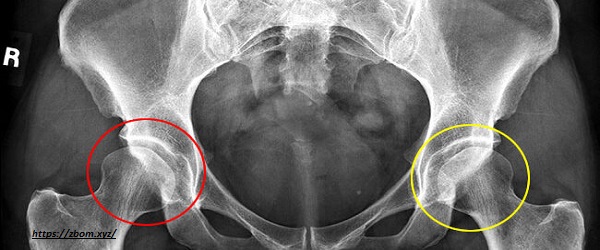
Hip dysplasia is one of the most common orthopedic conditions that affect many medium-to-large dog breeds, including Siberian huskies. It is a condition where the hip joint does not develop properly, leading to instability and eventual arthritis.
Symptoms:
- Limping or favoring one leg
- Decreased activity levels
- Stiffness, especially after exercise
Prevention and Management:
- Ensure a balanced diet to avoid rapid growth.
- Provide moderate, low-impact exercise.
- Consult a veterinarian for joint supplements or anti-inflammatory medications if needed. In severe cases, surgical intervention may be required.
2. Eye Problems

Siberian huskies are prone to several eye conditions, including cataracts, corneal dystrophy, and progressive retinal atrophy (PRA).
- Cataracts: This condition causes clouding of the lens, leading to impaired vision and, in severe cases, blindness.
- Corneal Dystrophy: A hereditary condition affecting the cornea, leading to lipid deposits and potential vision impairment.
- Progressive Retinal Atrophy (PRA): A degenerative disease that causes gradual vision loss and eventual blindness.
Symptoms:
- Bumping into objects
- Avoidance of movement in low light
- Redness or squintiness in the eyes
- Preventive and Management:
- Routine eye examination by a vet can be done early.
- Testing heredity status through genetic testing can help detect carrier status.
- Surgery-like removal of cataracts can restore vision in some cases. For PRA, as there is no cure, a safe environment can enhance the quality of life.
3. Hypothyroidism of White Siberian huskies

The condition involves the thyroid gland’s failure to produce sufficient thyroid hormones, slowing down most metabolic activities. Hypothyroidism is generally common among Siberian huskies and will significantly affect their general health.
Symptoms
- Lethargy and fatigue
- Rapid weight gain; however, this is usually experienced even while the animal remains on a normal diet.
- Hair loss, especially around the tail and trunk area
- Skin infections; moreover, the skin might flake
Prevention and Management:
- Blood tests can often be used for the early detection of hypothyroidism.
- Daily administration of thyroid hormone replacement therapy once diagnosed would efficiently manage this disease.
- Check-up sessions ensure the drug dosage remains adequate.
4. Zinc Deficiency (Zinc-Responsive Dermatosis)
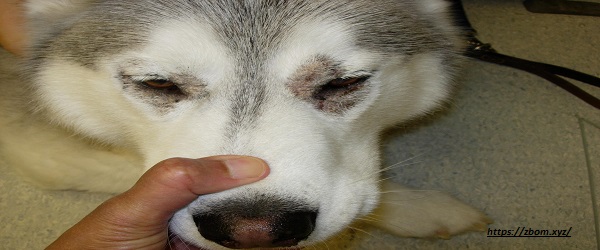
Zinc deficiency is one significant concern for Siberian huskies. This will impact their skin and general well-being, giving them zinc-responsive dermatosis.
Signs
- Scaly crusts of the skin, primarily on the face, mouth, and pawshair loss
- Secondary bacterial infections
- Failure to thrive in puppies
Prevention and Management:
- Feed a high-quality, balanced diet rich in essential nutrients.
- Zinc supplements may be prescribed by a veterinarian.
- Avoid oversupplementation, as excessive zinc can lead to toxicity.
5. Allergies
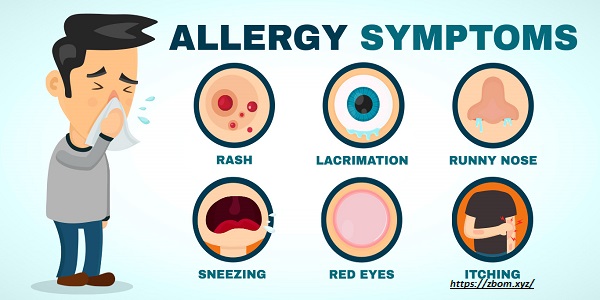
Huskies tend to develop environmental allergies, food sensitivities, and allergies to substances. This, in turn, creates discomfort and associated health problems.
Varieties of Allergies
- Environmental Allergies
- Food Allergies
- Contact allergies
Symptoms
- Excessive scratching or licking
- Red, inflamed skin
- Ear infections
- Diarrhea vomiting
Preventive and Curative Measures:
- Eliminate allergens through elimination diets or allergy testing.
- Use hypoallergenic grooming products.
- Administer prescribed antihistamines or corticosteroids to control symptoms.
- Consult a veterinarian for immunotherapy in severe cases.
General Tips
- Routine health screenings can help detect potential issues early, improving treatment outcomes.
- Feed your Husky high-quality dog food appropriate for their age, size, and activity level.
- Avoid overfeeding to prevent obesity.
- Huskies are an energetic breed and need physical and mental stimulation every day to be healthy and happy.
- Their thick double coat needs regular brushing. That sometimes helps prevent skin problems.
- Keep shots up-to-date, prevent parasites, and stay on top of dental care.
Conclusion
White Siberian Huskies are such robust and pleasurable animals, although they, like any breed of dog, require watching after to create a serene life for them. Understanding the most prevalent health problems in White Siberian Huskies, such as hip dysplasia, eye problems, hypothyroidism, zinc deficiency, and allergies, helps owners take action to sustain their long, healthy, and blissful lives. Regular veterinary care, a proper diet, and an affectionate home are the secrets to keeping your White Siberian Husky in top shape.
FAQ
1. What Makes White Siberian Huskies Unique?
The beautiful all-white coats, intense blue or multicolored eyes, and wolf-like aspect characterize white Siberian huskies by their distinctive coloration due to recessive genes. It is said that they have a friendly, energetic, and independent nature that embodies the endurance and intelligence of Siberian huskies and thus excellent companions and impressively beautiful dogs.
2. How Do White Siberian Huskies Compare to Other Colors?
The white Siberian Huskies differ only in the rare, pure-white coat from other colored Huskies. They are as intelligent and energetic and have the same temperament as other colored Huskies. This uniqueness is rare and therefore attractive to enthusiasts. They require the same care, training, and exercise; therefore, they are as loyal, hardworking, and affectionate as their multicolored counterparts.
3. What Is the Lifespan of a White Siberian Husky?
White Siberian Huskies are almost the same as other Siberian Huskies when it comes to their lifespan. They live from 12 to 14 years. Longevity also depends on proper care, like diet, exercise, and regular check-ups with a veterinarian. Healthy genetics and an environment contribute to their overall health and lifespan.
4. Are White Siberian Huskies Prone to Any Health Issues?
Common breed-related health issues of white Siberian huskies include hip dysplasia, cataracts, and progressive retinal atrophy. Their striking white coat does not increase health risks. Regular vet checkups, a healthy diet, and exercise can help manage potential concerns and ensure their overall health and well-being.
5. How Much Exercise Does a White Siberian Husky Need?
White Siberian huskies should be given at least 1-2 hours of daily exercise to ensure they stay fit and cheerful. Running, hiking, or playing is seen as stimulation of the high energy level. Mental activities like training or interactive toys are quite important to prevent boredom in addition to keeping them physically fit and mentally sound.
You can also read relevant articles to enhance your knowledge
- An explanation of the Top 4 Liberty National life insurance plans
- 10 Essential Pointers New Mercedes-Benz Owners
- The Year’s Top 8 Fantasy Football Sleepers
- 7 Factors That Make Ole Miss Men’s Baseball Great
About the Author






Brilliant analysis! Sprunki InCrediBox transforms interactive music creation. Sprunki InCrediBox delivers an unmatched balance of freedom and control. The possibilities that Sprunki InCrediBox enables are truly remarkable.